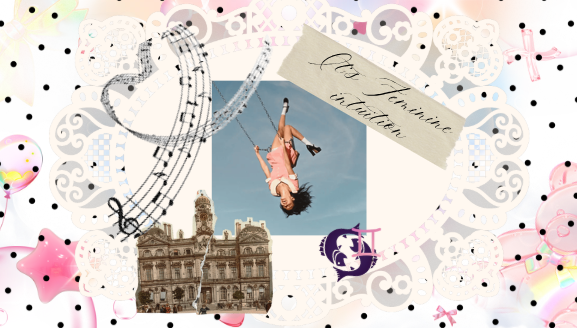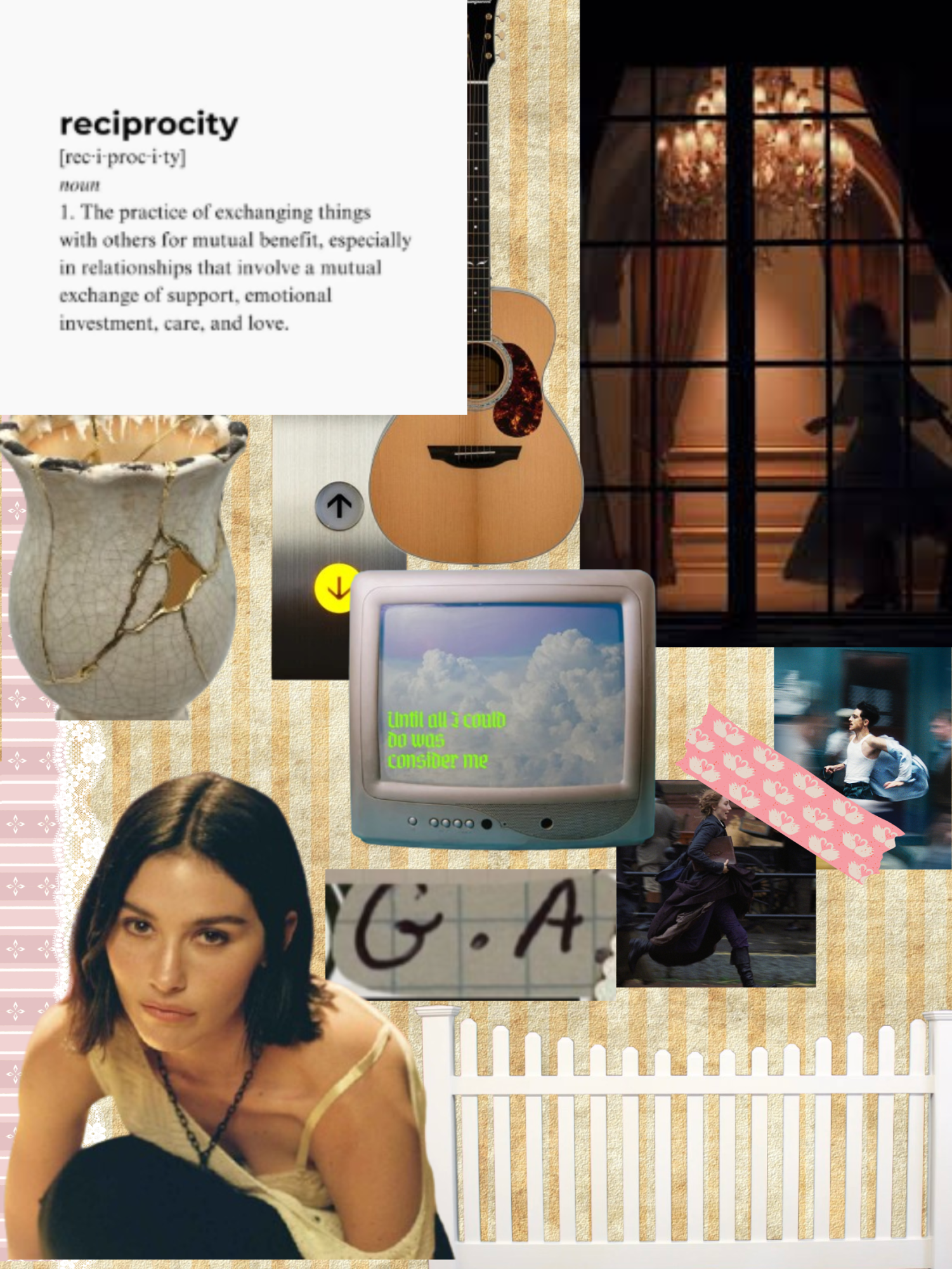
Sometimes in movies, there is a scene where the protagonist has screen time of just running, either to achieve their fate or to escape turmoil. Actress Saoirse Ronan did it in “Little Women,” and actor Timotheé Chalamet did it in “Marty Supreme.” The point is, when one runs from something it is more than likely to break free from something weighing them down. This idea is represented in Gracie Abram’s track, “I Knew it, I Know You” from her second pop studio album, “The Secret of Us.” In this track, Abrams deciphers the sordid product of relationships and when to address the fine line between not giving up on love and giving up on absent-minded behavior.
Abrams stresses that the main reason relationships come to a halt is due to miscommunication, specifically not communicating when one loses feelings of intimacy. She also warns young men and women to follow their instincts when it comes to such a tragedy and that no matter how painful it may be, the best outcome is to walk away without looking back. Abrams emphasizes that a relationship built upon trauma is not always prolonged; if anything, it’s an open wound or a limited distraction from actuality.
—
Verse 1
“I swear to God, I haven’t thought of you in ages
I’ve lived a lot, I’ve loved and lost, I’ve let the rain in
I’m pretty sure, I mean I’ve heard, you never faced it
I understand, I changed your plans, I had to, baby”
Abrams starts the track with a guitar solo, then begins her storytelling lyrics. She expresses how acceptance has waved past her as she reflects on her past relationship, finding peace in the present rather than the past. She later comes across as understanding of the pain she may have caused by leaving, but also speaks highly of her decision, leaving no room for guilt or negotiation.
Verse 2
“So, aren’t you sad about the fact that you can’t write me?
I cheered the loudest for you when you won your trophies
I’m on the ground, how’s the weather on your planet?
An empty house, the noise is loud, it’s how you stand it”
Abrams is trying to see how her absence has taken a toll on her past lover to get some sense of closure needed to validate her logic behind leaving. She stresses how it felt like talking to a brick wall with them and how that may be their forté but simply was never hers. She places an emphasis that a relationship is a two-person commitment, not just one being dead weight as the other carries communication and support. The relationship is interpreted as too noisy to stress that a relationship should feel natural and easy, rather than overstimulating and dense.
Bridge
“And we don’t even know each other now
And I’d blow all my plans if you’d meet me out
We could talk, we could get it, we could both calm down
Down (down, down)”
For Abrams and for many, something familiar became so foreign, to the point of trying to salvage the remains of what made the relationship authentic, such as prioritizing them over happiness. This strategy turns out to be faulty, though, due to beating around the bush rather than confronting what both of them really need rather than want. This also proves that forcing things seems less enjoyable, knowing that your effort is going uncompensated.
Outro
“I was your entertainment from a dark place
(Down) down, (down) down
You don’t know how to step outside yourself
(Down) down, (down) down
It’s not my fault you can’t sit with the hard thing
(Down) down, (down) down”
Here, it is as if Abrams is allowing the taste of victory to linger on her tongue, but not letting her pride outweigh her conscience. She reveals the fact that her time with her past lover has been abused as one would abuse a substance to escape reality—a harsh realization, but a validating reason to break up over. Abrams then musters the courage to tell her listeners that it’s never their fault to let go of something that feels like it’s draining the life out of you.
—
When all is said and done, this song can be taken as an end to beginning. It is an anthem of reassurance and a testament that nothing lasts forever or goes as planned. In other words, you have full control over the disruptions that may steer your life to spontaneous destinations, but the world will never end it with a loaded decision that satisfies the soul rather than society.