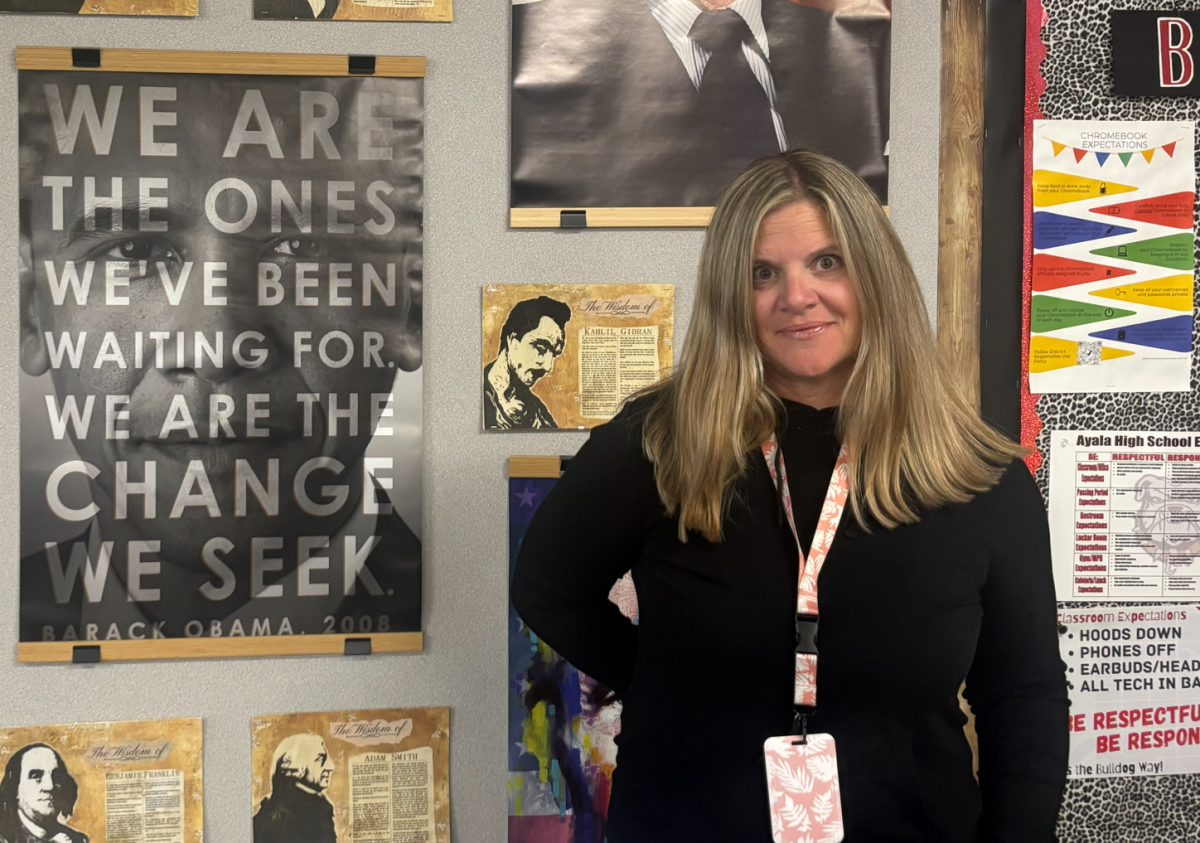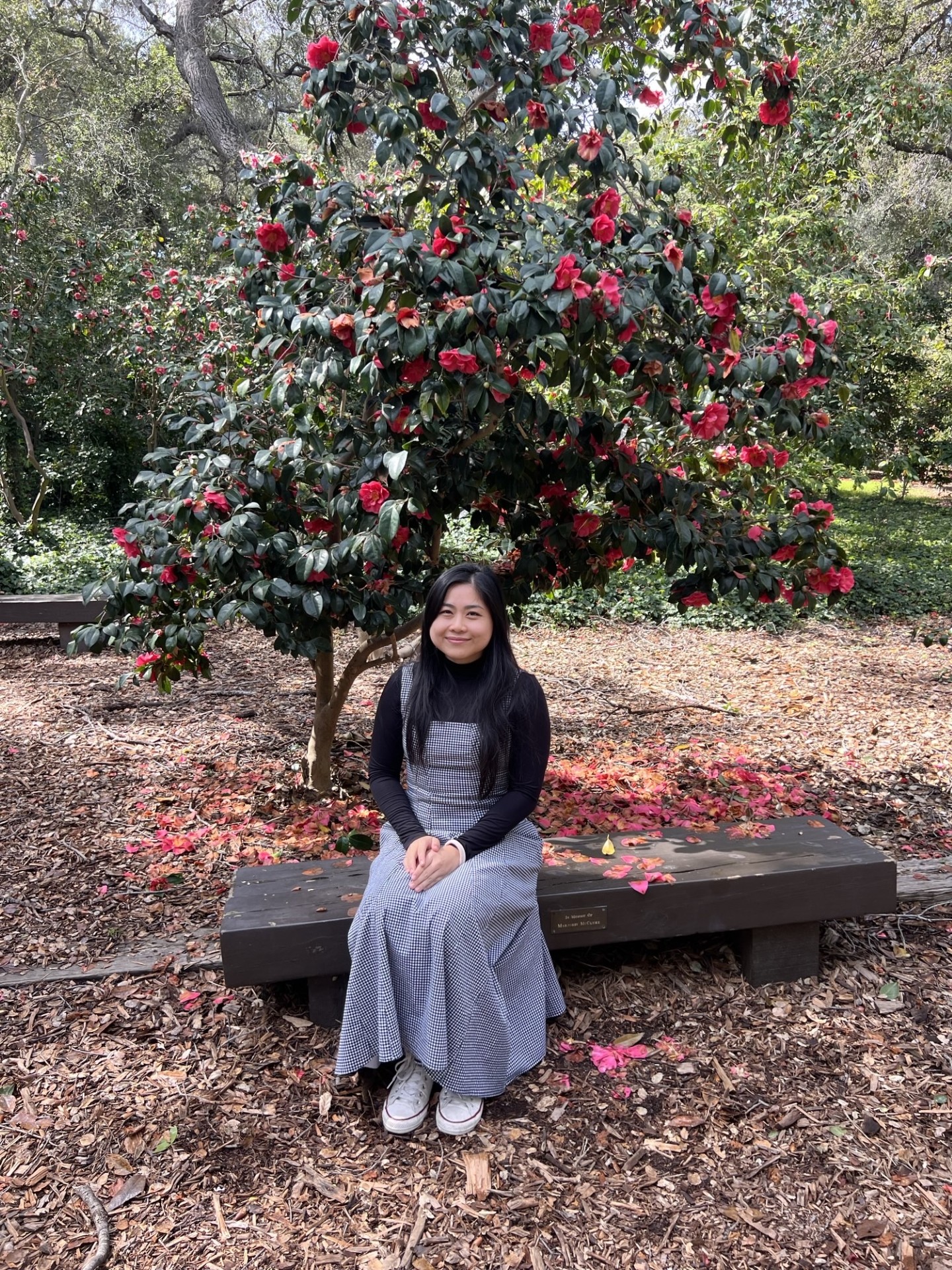
Chemistry, one of the most daunting and intimidating subjects in the entirety of the high school curriculum, is definitely a nightmare for students around campus. Rated nationally as one of the hardest sciences to learn due to the intricacies within the subject, from simple mole concepts to nerve-wracking and dreadful thermodynamics, chemistry would be a total trainwreck without the right teacher. Luckily, the upcoming, current, and past sophomores at Ayala would not have to fret as long as Ms. Teresa Phong stands by their side with a bright smile and stern, yet friendly attitude.
“Chemistry is fun, but still really challenging. Phong takes us out of our comfort zone to relieve [students’] stress,” Sophy Zheng (10) said.
Attempting to figure out what your path for the future is quite the difficult task, especially for a child. In a world where anything is possible, opportunities are unlimited and singling down on a primary subject takes years to figure out. But for Phong, all of that came easily to her.
“[My passion] started when I was a young kid. I did the Science Olympiad. I was more of a math and science kid. I always knew I was going to go down that pathway,” Phong said.
And her adolescent predictions were not wrong. Years later, Phong followed her passions and majored in biochemistry. Despite finding herself in tough situations with her professors and tiring college experience with chemistry, she persevered and earned her credential.
“I picked the longest major and went with it,” Phong said. “I think [schools] needed chemistry the most, and I could get a job very easily if I did teach chemistry.”
From the surface, it could appear to students that Phong’s skill in chemistry allows for her job to be just as simple–this theory is far from correct. Striving to create the most engaging and interactive experience with and for her students, she spends hours, time that is lost to the dusk, ensuring that her students will have a memorable experience.
“Every solution that they use in a chemical reaction is prepared by me. Whenever we do a lab, I have to wake up super early. When they leave, I have to clean up as well. [The students] hate labs, but in reality, I do most of the work,” Phong said.
The dread that radiates from the students as they walk into their least favorite subject is acknowledged by Phong. The complicated lives of students, whether it’s a personal matter, fatigue from excessive studying or extracurriculars, or academic burnout, are common in the attitudes of the moody teenagers that enter her class.
“Chemistry is a hard subject, and when kids really don’t like something, it’s really hard to get their attention back,” Phong said.
Yet, by understanding the varying mentalities of each student, she had tailored her teaching style to be adaptive to her students, rather than following a standard routine.
“Since she bonds with her students, everyone feels more comfortable around her. They’re more comfortable asking her questions, which usually leads to a better understanding of things,” Grace Cheng (10) said.
When walking into a chemistry class, one could imagine the stressed high school students, dragging their feet to their stools. A demanding class leads to even more depleted students, but Phong flips that stereotype around. Alternatively, students pile into class and excitedly greet their favorite teacher, who’s preparing their warm-up for the day. Chatter fills the air, and students put their full interest in what their teacher has in store for them today.
“I enjoy how interactive she is with her students; she makes everyone laugh a lot. It helps students understand what she’s saying, so the way she teaches connects with the students well. She has a lot of inside jokes with her students, and she always encourages them to do their best,” Zheng said.
At the end of the day, papers could be seen scattered all over the lab tables, the laughs and memories remain in the school air, and a busy Phong was cleaning up after her students’ mess. This arduous work is a nightmare for some teachers, but for Phong, it’s all worth it.
“When kids understand the concept, you can see a light bulb. They know how to do it. That’s my favorite thing I enjoy about class,” Phong said.