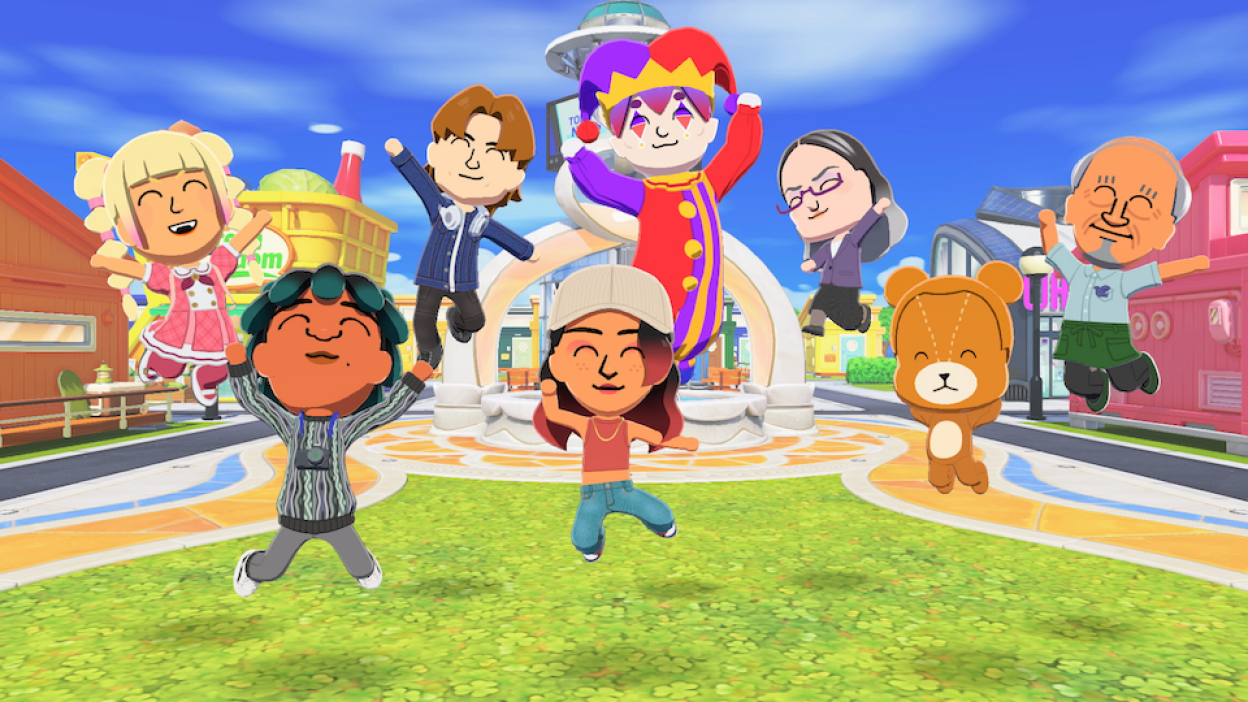
A new game has put the Internet once again into another chokehold. A game in which cuteness aggression is plastered onto players’ personalities, where fictional characters and living loved ones could come together on the same screen, or even where you can insert yourself to create your dream life. This long-awaited game is “Tomodachi Life: Living the Dream,” and it has definitely become one of the best games that Nintendo has ever released.
The original “Tomodachi Life” was released on April 18, 2013, on the Nintendo 3DS, where players could create their own Mii characters on that tiny screen. This version of “Tomodachi Life” was spread globally, and the response from global fans was overwhelmingly positive. It was adored how the game allowed players to put anyone and anything they wanted into a little, animated chibi version, whether it was themselves or characters they longed to interact with since they set their eyes on them. The game had transformed into a babysitting game for players, where they had to manage the characters’ daily needs, solve their problems with love or anxiety, and watched as their babies had started their unpredictable drama of the week.

On April 16, 13 years after the original game, “Tomodachi Life: Living the Dream” was released on Nintendo Switch, and the craze for the game was remarkable. The demo that was released to players on March 25 was minimal, yet the impact of it was still groundbreaking. With the opportunity to create three Miis and limited features to visit the food and clothing shops within the game, players were amazed by the various features that they could do compared to before.
“My favorite part of the game is definitely the freedom and creativity that comes with it,” Nathan Tan (11) said. “You can create custom prompts and go all out with dialogue options.”
Like before, the game had the original features where you could take care of your curated Miis with their daily necessities, yet fans soon grew attached to the game due to one factor: no filter. The game had allowed players to illustrate anything they wanted in the game, giving fans endless opportunities to do what they wanted on their island. This soon turned players’ islands into chaotic, bizarre servers of surprise and unpredictability, which keeps players addicted to their Nintendo Switches.
“I found it really easy to get attached to the game, especially because the characters I created are my own. Because they’re my own, watching them basically ‘grow up’ makes the experience 10x better,” Britney Le (10) said.
With the lack of filter comes the creative freedom that players have been dying to express in their favorite games. “Tomodachi Life: Living the Dream” had offered fans endless possibilities in what they could do to their characters. Perhaps the fans wanted to add intricate details into their characters’ faces to have them appear more endearing or charming, or maybe they had wanted to create treasures out of their favorite items to share with their Miis – whatever it is, the possibilities are endless.
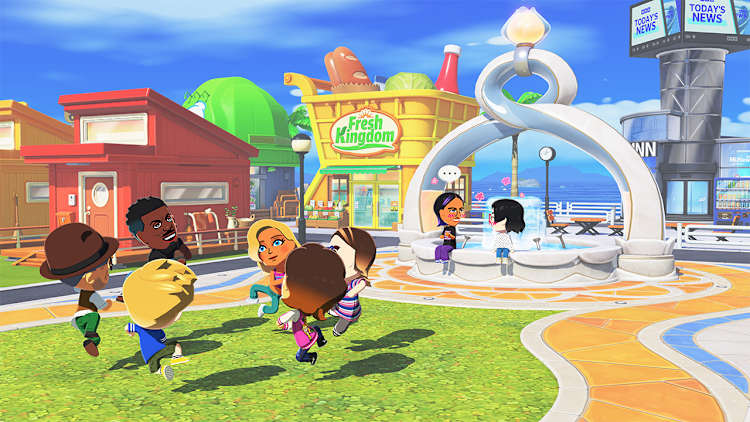
“I’ve added a lot of my favorite things to the game. My favorite albums, movies, or even objects are just a core part of the island now. It’s kind of cute to see how I could upstyle my favorite things or characters to my own liking as well, only because I like how the characters even have their own reactions to it,” Genny Mladinov (12) said.
One of the best components of the game that everyone has raved about online is the random, unhinged character interactions that you can get. Based on the lingo you say, objects you add, or the personality you give them, the characters accept it as a new part of their daily routine. With these unexpected cutscenes, only one could imagine the chaos that would ensue when the screen prepares for a short moment.
“Some of the cutscenes I’ve gotten during the game are pretty wild. There was one where the characters were racing one another, and one of them fell behind. To catch up, the Mii just starts rolling as fast as it can. I think because the scenes are so dumb, that’s what makes them so funny,” Le said.
After just a few weeks after its release, it’s safe to assume that the expectations for this game were surpassed. Fans still find new ways to show off their island online, whether it’s through complex character customization or deranged conversations that the players create, and this game will be around for a little longer.
“This game will be around for a long time, like its previous game. [Tomodachi Life] was around for many years, even after the Nintendo Switch came out. Even after the craze died, older and newer generations still craved it before the [new] release,” Tan said. “The game is fantastic.”