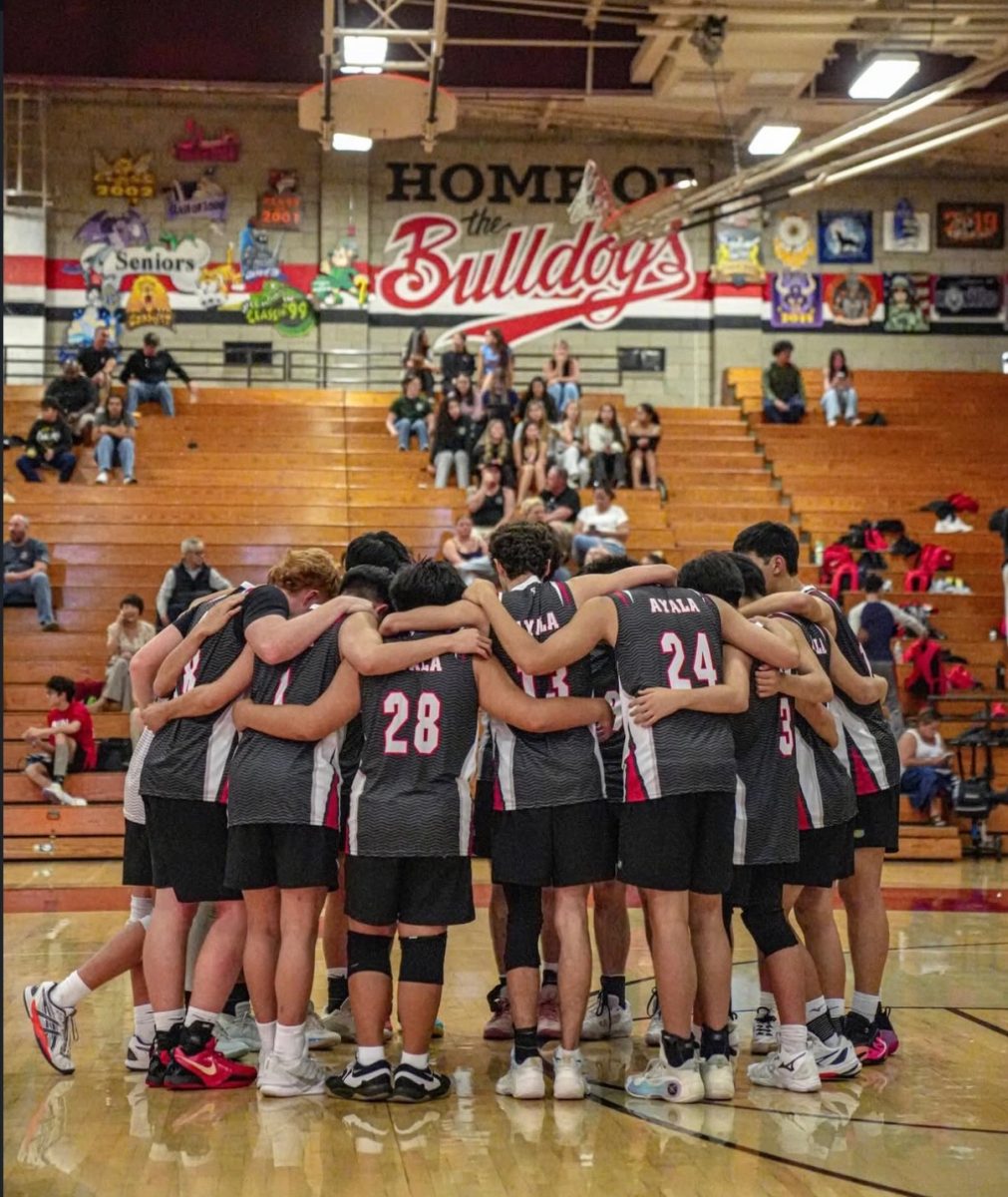
With increased competition of recruitment at the college and even high school level, parents and athletes have opted for a different approach to youth sports than previous generations. Gone are the days of local little leagues, and playing with friends from school and neighbors. So I asked three different seniors about their experiences growing up, playing in youth leagues and travel leagues, and how it changed them. To find out if it is really worth it?
“I think travel/club players tend to be more developed than an average youth player due to the different playstyles and skillsets learned. I would have preferred to play travel ball growing up,” said Nathaniel Baca (12)
Baca played little league baseball, and never made the transition to travel or club, but does privatized training for track, as he plans to compete in college, so that is somewhat similar. While in something such as little league baseball, the coaches may be parent volunteers who also played baseball, and the organizations behind it usually have a more community oriented “good experience” plan for the kids. The player is going to get a very “bare bones” approach, and probably learn the general concepts of the game, while the travel or club organizations focus on a more intensive attention to detail. Coaches and administration for travel and club organization are also often much more well-versed in their field and may have collegiate and professional to semi professional experience.
“The biggest difference is the motivation behind it… you are basically saying you want to pursue it further, and your parents are saying that they want you to develop better for when you’re older, as opposed to just playing for fun,” said Isaac Serrano (12)
Serrano, who is a varsity pitcher for the Bulldogs, went from playing little league to travel/club when he realized that he really liked baseball and it was something that he wanted to do in the future. The player development is different because instead of the focus being on having fun, making new friends and learning the game, it is almost expected that you as a player already understand the game, and are average to above average at it. Plus the commitment is different, the costs are higher and this makes it more sensible to use the time appropriately.
“When you’re playing club/travel, you aren’t just playing against kids from your town, you’re playing with and against the best kids from your surrounding area… kids that go on to commit to division one schools, go to academies, etc.,” said Jayden Huerta (12).
Huerta transitioned extremely early straight into travel ball and it developed him into a strong basketball player, learning from some of the smartest minds and playing against top tier talent.
“In youth leagues the coaches may not give you as much attention, but in travel/clubs they are paid to do so,” said Huerta.
One thing that Baca, Serrano, and Huerta all agreed on, was that the most sensible thing for aspiring athletes and parents to do, is initially start off in a community youth league, whether it is I9 sports, or little league, and then upon learning the basics, branch out into the more professional and privatized club/travel world. This way athletes can figure out if they truly like the sport, and if they do, take their skills to the next level.