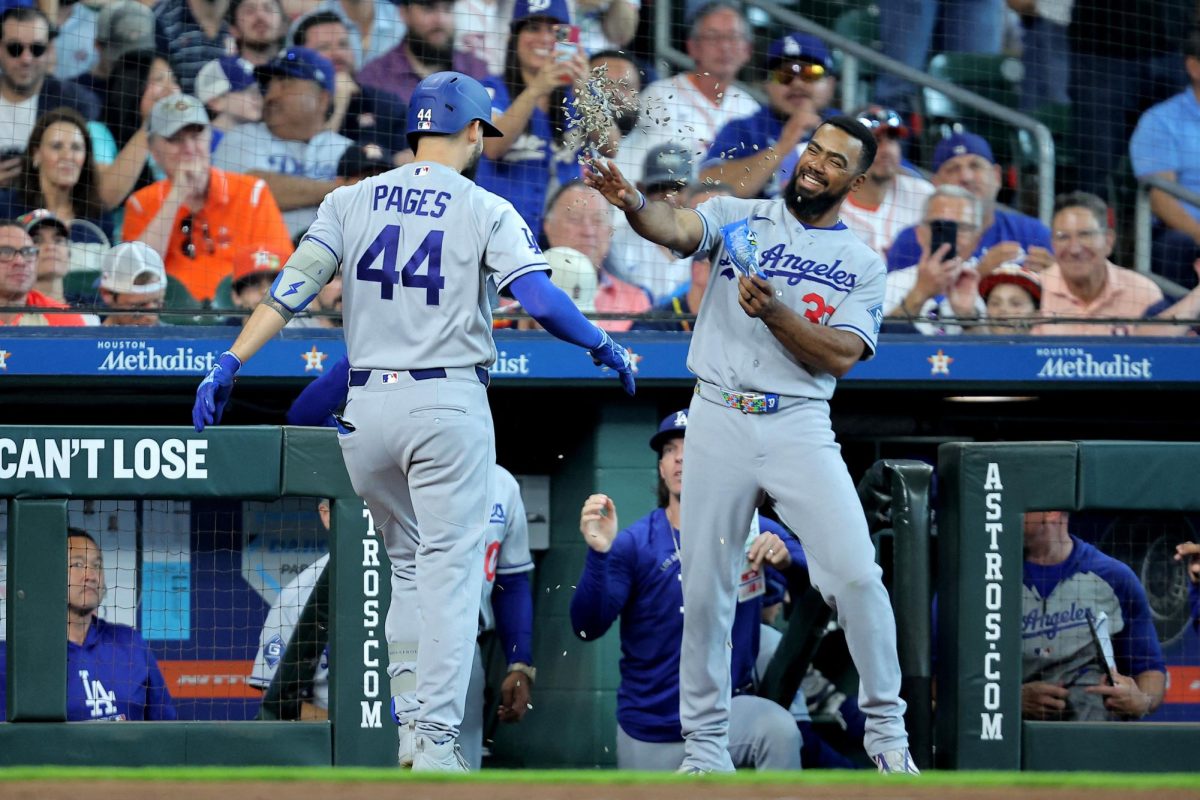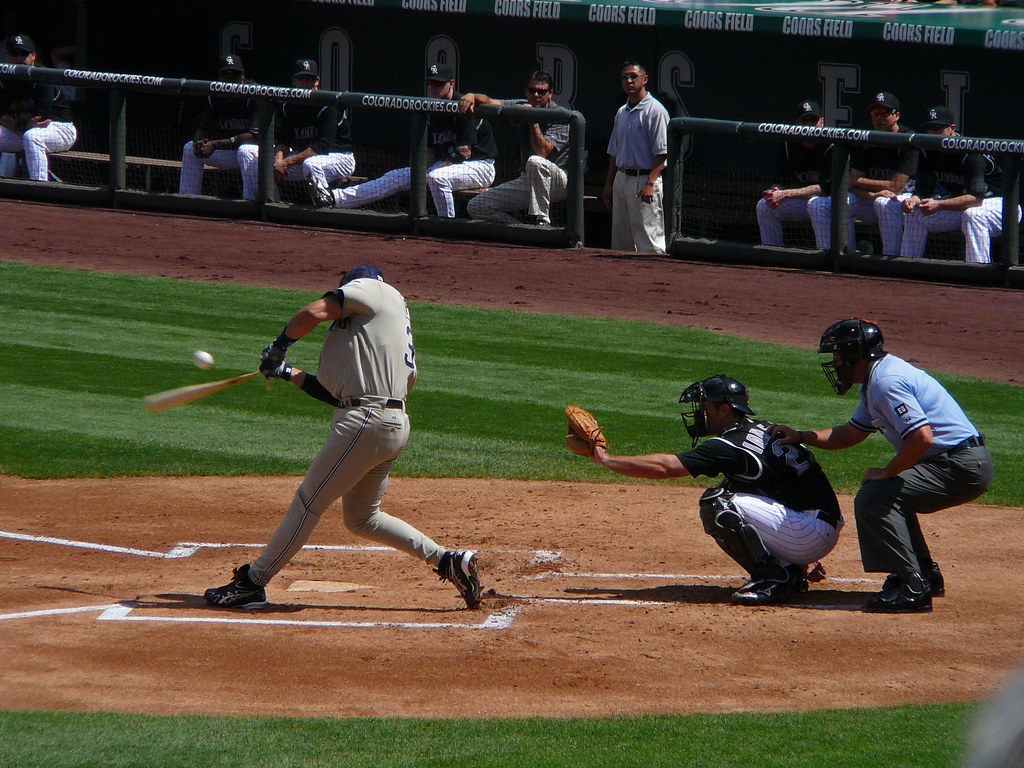
Major League Baseball (MLB) umpires missed over 26,567 ball-strike calls last season. Despite accuracy improving over the years, it has raised serious concerns about whether a human should have the final say when a player has struck out. To solve this, MLB launched its own Automated Ball-Strike System (ABS) for the first season ever.
For over a century and a half, MLB home plate umpires have been the supreme authority if a call was a strike or a ball. But the long-overdue technology for tracking the movement of the baseball as it crosses home plate has made its first mark in MLB. After being tested in the Minor League Baseball (MiLB) since 2021, ABS is now finally being implemented permanently in the big leagues after its effectiveness was praised. ABS allows hitters to challenge a strike call to overturn to a ball, and allows the defensive side (catchers and pitchers) to challenge calls they thought were strikes that were previously called balls.
Despite the multitude of pitches thrown, teams are only given two ABS challenges a game, which they can keep if the challenges are successful. To challenge a call, a player just has to give a signal. Hitters only have to tap on their helmet, which signals to the umpire a challenge that brings up a recreation of the pitch and the batter’s strike zone, then directly broadcast to the stadium viewboard and displayed to viewers at home.
The latest statistics have pointed towards the fact that umpires have been more accurate than ever, with their accuracy hovering around 92.5% to 93.5% as of early 2026. This is a massive jump from their 84% to 89% success rate a decade prior. However, even with the improvement of umpires, they still consistently face major backlash and criticism from fans and players league-wide, so there is no better time than now for the MLB to implement this system.
“Where we are on ABS has been fundamentally influenced by player input,” MLB commissioner Rob Manfred said last summer during a Q&A with members of the Baseball Writers’ Association of America.
The first ever MLB ABS challenge came when New York Yankees Shortstop José Caballero challenged a strike-called pitch thrown by Logan Webb from the San Francisco Giants. Despite making history, the call was upheld. Fortunately for him, New York dominated the season’s first game 7-0, and the helmet he signaled the historic review was sent to the National Baseball Hall of Fame, symbolizing how big that challenge really was. The first successful challenge came just a day later, when Met’s catcher Francisco Alvarez didn’t like a call that was ruled a ball by pitcher Freddy Peralta. Alvarez immediately signaled this close pitch, which was overturned to strike the batter out.
With human error being more and more a thing of the past, people are starting to wonder, with the implementation of technology like ABS, if the league should consider switching permanently to robot umps. But the league is still far away from deciding that with this new technology.
“We’re just too early in the process for me to even think about any change to the system right now,” Manfred said.
When looking into the logistics of switching to a fully automated ball-strike system, it can completely upend baseball as we know it. Since the inception of baseball, humans have called every strike, ball, safe, out, and just about every part of baseball. Changing that would mean all the 700,000+ pitches in an MLB season would be fully automated and would take that job from a human counterpart. And with technology in all shapes and sizes, it would only be a matter of time before the smallest of baseball leagues would follow suit. Accuracy would be the biggest benefit of this shift, with technology improving every day, there would most likely be a very low error rate of incorrectly called pitches. When it was tested in the AAA, there was not a single pitch error. However, lucky for the spirit of baseball, there is still a significant portion of baseball fans who would be heartbroken if the game ever lost its “human element” on which the game was famously built.
For the most part, ABS has been and will continue to be a huge success with players and fans, shown through the absurd 1,082 challenges in the first few weeks of the season. But with this digital shift, even as small as it may be, it has brought up the question, “Are we heading towards a fully automated sports world?”