Within the constantly reforming online presence of the internet, there lies a vast void of knowledge and claims being said almost every day, every hour, and even every minute. While one of the most exceptional components of social media includes the freedom for users to post anything that they desire, the same thing could be said to contradict the said benefit. It is undeniable that the internet grows stronger each day, whether through the power of artificial intelligence (AI) or newly updated software; yet this power has been proven to be the downfall of succeeding generations—the start of the death of media literacy.
Media literacy is the ability for online users to be able to interpret, criticize, and create content online to one’s own discretion. With this skill, users can surf the internet safely and effectively. Despite this skill originally being the ‘101’ for online usage, it seems as though it has been fading from people’s minds.
“There are various factors that have been decreasing people’s sense of media literacy. For example, the normalization of 10 to 30 second videos, which have shortened people’s attention spans and AI videos that provide easy and quick answers to everything,” Hannah Uesugi (11) said. “People aren’t examining as deeply into the content they are consuming.”
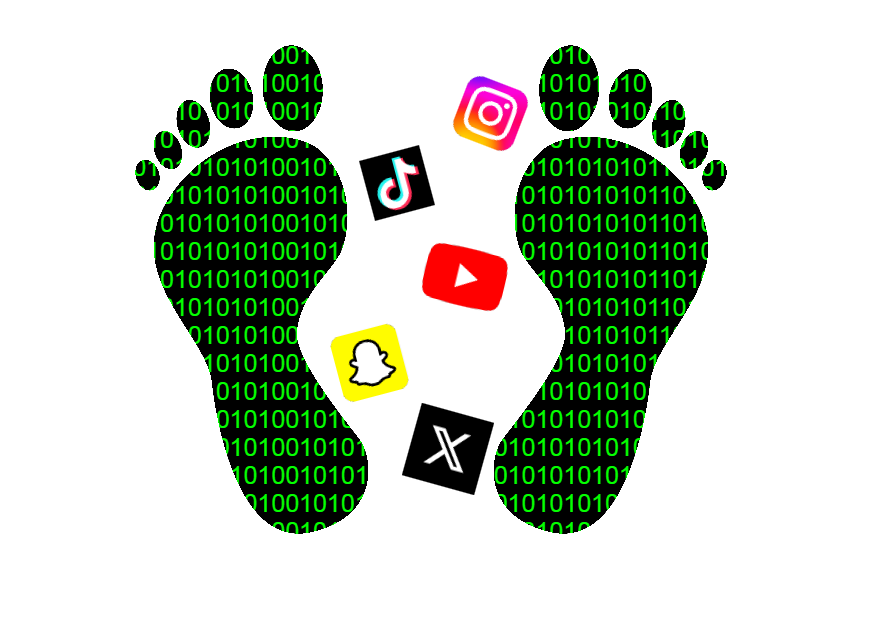
But is it the user’s fault for repeatedly falling for the same tricks every time, or is it the slow, rising overtake of online creators posting content that is unquestionably controversial or outright far from the truth? For instance, a popular way to research information for personal or educational use is through online articles. Trustworthy, one may think, but just after a year, approximately 39% of published articles were proven to be AI-generated. Even the littlest things, like videos on various social media platforms online, 71% of content posted is AI-generated, which users have collectively started to call “AI slop.”
One may question why this AI-generated content was spotlighted as a negative uprising, as it is easy to think that these quick-thinking chatbots may be far from wrong. However, more than 38% of the time that AI is used, the answers shown are wrong or made up by the bot itself.
“I have had multiple times online where I would see something that seemed a little strange and I wondered if it was actually true,” Flower Park (10) said. “Most of the time, it was obviously wrong, but the comments thought otherwise.”
Despite this world being on a phone, it does not span far from the school campus. As social media continues to enlarge its audience and successfully engage viewers worldwide, the difficulty in distinguishing between real and fake in real life and online has started to take its toll. The lack of critical thinking within the advancing world of convenient information has singlehandedly destroyed the patience, effort, and satisfaction from truths.
“There’s this one TikTok account where I keep seeing them spread fake news about celebrities, and it gets concerning. The way people act when something weird pops up is so strange, it’s like they didn’t even try to make sure something’s correct,” Amielle Burog (10) said.
This fading sense has affected every generation, but students and young people have felt the impact the most. With opinions and friendships shaped by what they see online, it has been evident that they struggle to separate fact from fiction, making them vulnerable to harmful or fake ideals and trends. A controversial, aged trend was “shifting,” which is the ability to “shift” your sleeping body from this world to another. Though innocent at first, this trend led to many kids online following this fake trend, with most feeling detached from reality at such a young age.
“Younger and elderly users are the most susceptible to this [type of] media since they are the least engaged with this type of content. This could skew their view of reality or perceptions about certain topics,” Uesugi said.
Yet, it is not hopeless for future generations not to fall into the depths of misinformation. To encourage a stronger sense of media literacy, it requires more than just awareness; it demands action. Encouraging students to slow down and question information must be a shared responsibility within schools and families. If society is willing to prioritize thoughtful criticism over blind consumption, there is still hope for a generation that can survive and understand the online world.
“To be more aware of the media that they see online, people should educate themselves from reliable outlets,” Uesugi said. “[It] encourages them to delve into their own research on topics that seem too extreme or untrue.”