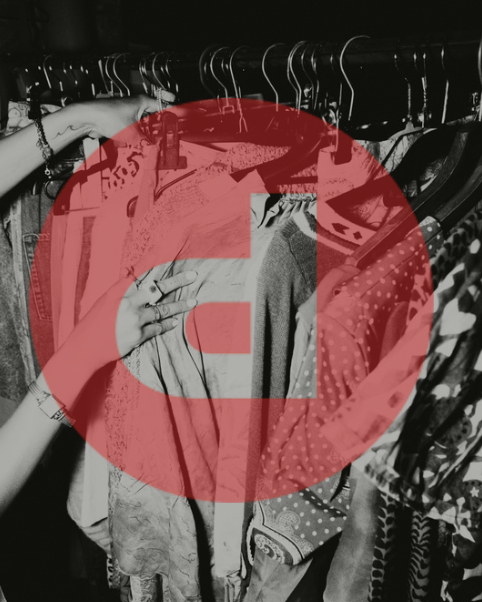
A perfect day for most teens in the modern world consists of grabbing a drink and a sweet treat with friends, driving around with freshly-earned licenses, and stopping by the thrift store to search for cheap and stylish staples. Imagine searching diligently through the racks, and you come across the perfect piece. You’ve been looking for something just like it forever. It goes with everything in your closet. Then all of a sudden, another hand reaches for it before you get the chance to shake off the excitement. To your horror, the person who stole your treasure doesn’t even take the time to love the piece themselves. Instead of wearing it, they post it on Depop for triple the price and become extremely stingy with their bidders. It ends up sitting on a mannequin for weeks, lonely and desolate.
During quarantine, people in the United States, trapped in the shackles of their home, needed a way to buy new clothes without going outside. In these trying times, an app called Depop became increasingly popular as trendy, high quality clothes were being made easily available and resold for cheaper than the original market prices. It was like an online thrift store. Eventually this proved too good to be true. As the app evolved, it became less about giving nice, unwanted clothes away and more about selling the highest quality thrift finds as one’s own personal, financially inflated store.
Thrift shopping was meant for people to find good clothes at an affordable price. Although worn before, these clothes provided comfort and quality to those who earn a lower income. During the pandemic, the idea of thrifting became more popular as it became a new trendy pastime rather than a necessity. Quality clothes are being taken from those who are in actual need by sellers only looking to make a profit.
Specifically, digging through the Goodwill bins has become excessively more competitive. The Goodwill bins are a thrifter’s heaven, as although unorganized, the items are sold for much cheaper than in the actual thrift stores. Large bins of piled deadstock are wheeled out, and every shopper runs at full speed, pushing and shoving, to excavate the best pieces. It’s difficult to find higher-quality clothing when shoppers are rushing and fighting to get it first. People looking to thrift now have to plan out specific shops to search and specific times in order to get there before the resellers do.
When Depop resellers get their hands on these items, they post them on their accounts with the original price increased, maybe even doubled. Depending on the brand or aesthetic, sellers know what is in style and make the most out of that knowledge. Obviously, there are some sellers who stay reasonable with their prices, regardless of how trendy the piece may be. However, there are a few too many sellers who sell their items for an unethical amount of money.
As a result of this and inflation, thrift store prices have been increasing as well. Many companies are capitalizing on the fact that there are now so many customers in their thrift stores, and they are also looking to make a profit. This proves unfair to those who, again, are in actual need of cheaper clothes due to their financial situations. A simple pair of denim shorts could go from less than $10 to almost $20. Depending on the store, of course, the price change varies. Unfortunately, there is even a price difference at all.
All things considered, reselling has lost its true meaning and purpose. No longer is it about affordability and accessibility, but rather style and timing. There’s a reason why people get angry when super stylish people walk into the same aisle as them at thrift stores or when someone posts a thrift haul online, and they see a Depop account linked in their bio. Thrifting is now competitive and pricey because of the stigma around Depop and the culture on the app. People are led to wonder the ethicality and intentions of these resellers and what they’re doing.