
After qi paos, Korean skincare, Douyin makeup, and matcha started to trend on social media, people all over the world were wondering which sliver of Asian culture would be “Americanized” next. In anticipation of the new Starbucks menu, customers have been drooling, thinking about what new flavors they could have prepared for this season. To many people’s surprise, there was a new Iced Ube Coconut Macchiato and an Ube Coconut Cream Cold Foam that people can add to any drink they please. The Filipino community was surprised and even outraged to discover this new menu item featuring their famous, cultural, sweet purple yam flavor. Filipino culture was just another victim of uncultured influencers and consumerism.
One of the main complaints about the new Starbucks flavors is that the taste profile is not accurate. People have reported that the cold foam tastes like birthday cake and coconut more than it does actual ube. This has angered Filipinos all over the world because if a company were to express appreciation and make money off of a cultural flavor, the least they could do was make it authentic. This is no longer appreciation, but instead appropriation and a low-effort attempt at capitalizing on other cultures.
Another one of the main complaints is the general public’s lack of consideration for the correct pronunciation of ube. One TikTok went viral of an influencer reviewing the new drinks, where she called it “oob” instead of “oo-bay.” Many have taken this lack of effort to respect Filipino culture as an offense. When Asian culture becomes popular in American media, it is unusually common for names to be mispronounced or changed completely. This phenomenon strips the meaning and authenticity of each food and product that trends on social media.
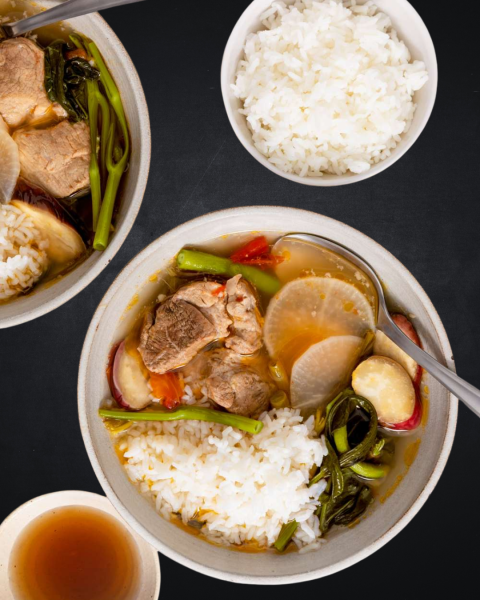
More examples have also become prevalent in recent media, such as “brothy rice.” Upon closer inspection, this new, unique dish is just the average Filipino’s comfort meal on a regular day. The sinigang and rice combination is essential to any Filipino home, becoming a key part of any cold day. The term “brothy rice” is used instead of sinigang; it erases the food’s origins and cultural significance. Rather than truly highlighting delicious Filipino foods, social media gentrifies and whitewashes the rich, traditional culture.
Instead of renaming these foods, people can show their love and curiosity towards other cultures by educating themselves first before spreading the word around the internet. It only takes a quick Google search to learn the real names for these cultural foods and how to pronounce them correctly. Any Filipino would be glad to answer any questions anyone may have about their culture. This simple gesture offers a bare minimum amount of respect for others and their backgrounds. Cultures can be further preserved with these easy efforts.
Food takes up a significant chunk of every culture, reflecting traditional practices, spices, and recipes. People must pay their respects by taking the time to really do their research beforehand and keeping names and flavors as authentic as possible. If you want to try real ube treats or sinigang, please try to support your local Filipino family-owned restaurants instead of funding the increasing gentrification of Filipino culture. True enjoyment is found in authenticity.